SK Hynix Tentative Deal Voted Down by 25-Vote Margin
The count was 7,535 against and 7,510 in favor, a margin of just 25 votes. Roughly 94% of members took part in the vote, reflecting strong interest.
A broad analysis of key economic issues, policy trends, and market reactions.
The count was 7,535 against and 7,510 in favor, a margin of just 25 votes. Roughly 94% of members took part in the vote, reflecting strong interest.
Part of the stock could be sold immediately, while the rest was to be paid out in installments over two years. The deal was narrowly rejected despite strong member attention.
Key terms include a base pay increase of 100,000 won, a performance bonus of 400% plus 12.7 million won, 15 shares of stock, and 500,000 won in welfare points. The deal also included an agreement to extend the retirement age without a wage peak system.
The agreement is expected to prevent further losses.
Spending is expected to rise more than 10% from this year, marking the first double-digit growth rate in 17 years since 2009. The government plans to focus on economic stimulus and securing future growth engines.
The fund is expected to operate as a strategic investment platform reinvesting in future industries and help mitigate tax revenue volatility.
The government plans to create a semiconductor special account to consolidate support, and expand AI support, including supplying 10,000 GPUs to develop frontier-class AI models. Education investment is also included, such as full tuition support for regional national universities.
That is, rates would be held, but remarks could signal possible future hikes. This outlook reflects a complex judgment that takes into account weak domestic demand and rising delinquency rates among vulnerable groups.
The Bank of Korea is expected to raise its growth forecast for this year from 2.6% to the mid-3% range, as strong export momentum is positively affecting the recovery. However, critics argue that an upward revision to growth alone does not make a rate hike necessary, and that the decision requires a comprehensive view including prices and financial stability.
There are concerns that the government's 800 trillion won expansionary budget could clash with the Bank of Korea's monetary tightening. Higher government spending could boost demand-side inflation pressure, strengthening the Bank's rationale for rate hikes. Experts advise running fiscal policy by increasing investment for raising potential growth while curbing consumption spending.
Yes, as you're worried about, it's highly likely to become a mismatch. When the government increases spending, it stimulates the economy with additional fiscal expansion, but as I mentioned, growth is currently being revised upward.
Korea's core inflation currently stands at 2.6%, above the Bank of Korea's 2% target. If government spending further stimulates service prices, the central bank's monetary tightening could become more severe.
The U.S. Treasury's Treasury buyback program can lower yields by reducing bond supply, but its effect may be limited now that national debt has passed 40 trillion dollars. Market concern over rising bond issuance is holding back yield declines. Investor sentiment toward Treasuries is likely to matter more for market yields than supply.
Discussion is expected to center on five key themes the previous Fed Chair had emphasized: quantitative tightening, AI-driven increases in productive capacity and resulting downward pressure on prices, and aging demographics. The message is likely to offer a long-term economic direction rather than short-term policy signals.
Domestic current account surplus (19–20% of GDP) acts as a won-strengthening factor, while maintained U.S. Treasury yields and foreign investor selling act as dollar-strengthening factors, which are expected to offset each other.
Recently listed new stocks are showing clear weakness. Of the ten companies newly listed on KOSDAQ since last month, nine are trading below their offering prices. The average third-quarter return is in the negative 3% range, deepening investor disappointment, while delays in the guidelines for dual listings are also disrupting listing schedules.
Specific listing dates for promising companies such as Musinsa and 9Dai Global remain undetermined, and Rebalio has also pushed its preliminary review filing to the fourth quarter. Analysts say large-cap companies are likely to postpone listings if the stock market slump continues.
Through this, Simmons aims to secure leadership in the future bed market.
The talks will discuss a plan to supply housing for young people and newlywed couples on part of the Yongsan Park site. Since the first meeting on the 20th confirmed differing positions on key issues, attention is focused on what conclusions may come out of this second meeting.
Answers come from the transcript, with the exact spot cited.
Want the next article from 매일경제TV?
When 매일경제TV publishes, we'll write it up like the one you just read and email it to you.
매일경제TV published 265 in the last 7 days.
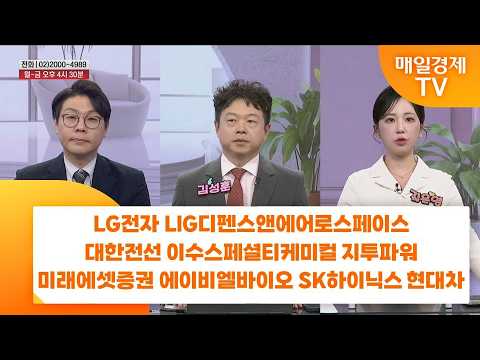 LG Electronics 250,000-won Target, LIG Nex1 Sell at 600,000 won, Hyundai Motor Hold for 500,000 won: Stock-by-Stock Investment Analysis매일경제TVlast month · 38:05 · 9.3K views · Created last month
 Foreigners Sell Six Days Straight, Yet Only Shipbuilders Are Bought매일경제TVlast month · 15:18 · 5.9K views · Created last month
 KOSPI Falls Below 6,000 as End of Buybacks Triggers Supply Shock매일경제TVlast month · 26:09 · 6.1K views · Created last month
