Arooj Confesses Love to Hamza
Hamza rejected her, citing Arooj's past and threats from others. He believed that an artist's life and Arooj's situation were incompatible.
Arooj confesses her love to Hamza but is rejected, and her family forces her into an arranged marriage.
Hamza rejected her, citing Arooj's past and threats from others. He believed that an artist's life and Arooj's situation were incompatible.
Losing control, Hamza demanded Arooj leave.
Arooj countered that feeling love was not a sin, but Hamza denied their relationship, stating that Arooj's family would harm her.
Arooj expressed that love was not within her control, saying, "Mera khud pe ikhtiyar nahi hai. Aap mujhe acche lagte hain" (I have no control over myself. I like you).
Arooj stated, "Ja rahi hoon. Lekin phir aungi" (I am leaving, but I will come back), refusing to give up even if she was immediately thrown out.
Despite Arooj's vow not to stop until Hamza confessed his love, he became angry and closed himself off.
Social customs, where women's decisions are left to male family members, were cited as a hurdle in their relationship.
An acquaintance said, "Arooj ek acchi ladki hai aur Hamza use accha bhi lagta hai aur mujhe lagta hai ki Hamza ko bhi Arooj kahin na kahin acchi lagti hai" (Arooj is a good girl and she likes Hamza, and I think Hamza also likes Arooj somewhere deep down).
Hamza's friend criticized him for letting Arooj go, calling it a wrong decision.
The friend saw through Hamza's true feelings for pushing Arooj away, saying, "Yahi jo jo tum kar rahe ho kitni acchi ladki hai vo" (What you are doing, she is such a good girl).
Hamza instructed her to say he wasn't home to anyone who came looking for him in his absence. Bano was distressed by Hamza's cold attitude and doubts about love.
She said, "Agar Hamza nahi hai toh yeh naashta kiske liye hai?" (If Hamza isn't here, who is this breakfast for?)
Arooj suddenly asked Bano why she missed her hometown.
Bano confessed that her parents had tried to sell their daughter for money when she reached marriageable age, saying, "Hamare maa-baap hamein paalte isliye ki shaadi ki umar ho bech ke chaar paise aa jaye" (Our parents raise us so that when we reach marriageable age, they can sell us for some money).
Arooj questioned her, unable to understand why Bano didn't resist.
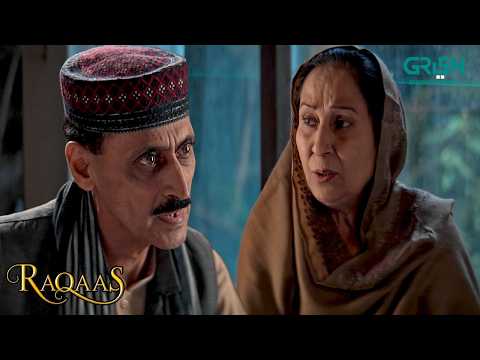
Her mother tried to persuade Arooj, saying that her father's decision was absolute.
Her mother wept, fearing for her daughter's life, while Arooj showed her resolve not to submit to patriarchal authority.
The father brought up the painful memory of losing his younger sister, Shugfta, and demanded strict principles from his successor.
He espoused patriarchal values that women must be kept under control, saying, "Aurat jab tak tumhare rob mein hai, tumhari hai. Jis din barabar laoge na use, wo aage nikalne ka sochegi" (As long as a woman is under your awe, she is yours. The day you bring her to your level, she will think of moving ahead).
This revealed the father's perspective that controlling women was essential for the family's stability.
Fawad, asserting his rights as a fiancé, dismissed Arooj's attitude as verbal abuse.
Fawad, asserting his authority, forced Arooj to obey.
He implied that Arooj had no right to refuse, emphasizing the inevitability of the marriage by saying, "Bhai ji yeh shaadi karwa kar hi rahenge. Aur koi option nahi hai hamare paas. Tum samajh rahi ho na meri baat?" (Brother will make this marriage happen. We have no other option. You understand what I'm saying, right?)
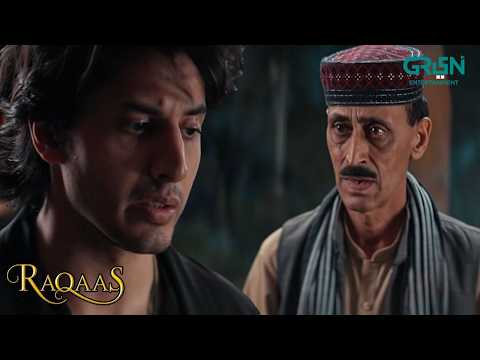
Hamza felt deep anguish about his situation concerning his relationship with Arooj.
He realized that if Arooj's father found out he was a musician, he would be in great danger.
Hamza refused help or pity from others and chose to isolate himself, saying, "Agar main kisi ke bagair nahi rah paunga wo main khud hu. Na mujhe kisi ki zarurat thi. Na mujhe kisi ki zarurat hai" (If I cannot live without someone, that person is myself. I didn't need anyone. I don't need anyone).
They expressed anxiety about the future, fearing the deterioration of the family's economic situation. One character said, "Ab is ghar mein hum sabke jo halaata chal rahe hain na mujhe toh faqaqashi ke din qareeb aate hue nazar aa rahe hain" (Now, with the conditions we all are in this house, I see days of starvation approaching).
Arooj reminded Fawad of his past promise that he would not marry her without her consent, saying, "Fawad, tumne mujhse kaha tha. Tumne mujhse kaha tha ki agar main raazi nahi hungi hum tab tak yeh shaadi nahi karenge" (Fawad, you told me. You told me that if I don't agree, we won't get married until then).
Fawad admitted his arrogance but confessed that he could not stop the marriage due to the family's decision, meaning his brother's will.
Arooj criticized Fawad's attitude as arrogant and strongly expressed her refusal to marry.
Answers come from the transcript, with the exact spot cited.
Want the next article from Green TV Entertainment?
When Green TV Entertainment publishes, we'll write it up like the one you just read and email it to you.
Green TV Entertainment published 630 in the last 7 days.
 Family Conflict Erupts Amidst Pregnancy CelebrationsGreen TV Entertainment8 hours ago · 3:07 · 128 views · Created 7 hours ago
 Hamza's Deep Isolation Amidst Love's RejectionGreen TV Entertainment7 hours ago · 2:37 · 22 views · Created 7 hours ago
 Love Against Family OppositionGreen TV Entertainment8 hours ago · 2:16 · 82 views · Created 8 hours ago